Fitness Hub

Train smarter.Play longer.

Practical guides on training, gear, recovery and nutrition for players of every level, with metric and imperial units.

Read up

Guides.

Training How much exercise do you need?The World Health Organization's weekly targets for adults, older adults and children, and an easy way to judge intensity.

Adults (18–64)

  • 150–300 minutes a week of moderate activity, or 75–150 minutes of vigorous activity, or a mix of the two.
  • Muscle-strengthening on 2 or more days a week, working all the major muscle groups.
  • Sit less. Breaking up long periods of sitting helps, and any activity is better than none.

Older adults (65+)

  • The same weekly targets as adults, plus activities that challenge balance and strength on 3 or more days a week to help prevent falls.

Children and teenagers (5–17)

  • An average of 60 minutes a day of moderate-to-vigorous activity, mostly aerobic.
  • Vigorous activity and muscle- and bone-strengthening activity on at least 3 days a week.

Moderate or vigorous? Use the talk test

  • Moderate: you can talk but not sing. Brisk walking, doubles tennis, easy cycling, social badminton.
  • Vigorous: you can only say a few words before needing a breath. Running, singles tennis, fast cycling, competitive badminton, skipping.

If you're new to exercise, have a health condition or are pregnant, start gently and check with your doctor about what's right for you.

Shop fitness

Source: WHO guidelines on physical activity and sedentary behaviour (2020)

Training A simple 3-day starter planA full-body routine you can do at home or in the gym with a band, a mat and your own body weight.

Train three non-consecutive days a week (for example Monday, Wednesday and Friday). Warm up first.

The workout

  1. Squat: bodyweight, or stand on a long band for extra resistance. 2–3 sets of 10–15.
  2. Push-up: hands on a bench or wall to make it easier, on the floor to make it harder. 2–3 sets of 8–12.
  3. Band row: anchor a band at chest height and pull your elbows back. 2–3 sets of 10–15.
  4. Glute bridge: add a mini band above the knees once it feels easy. 2–3 sets of 12–15.
  5. Plank: 3 holds of 20–40 seconds, keeping your body in a straight line.
  6. Dead bug: 2–3 sets of 8 slow reps each side.

Rest 60–90 seconds between sets.

How to progress

  • When you can do the top of the rep range with good form on every set, add a set, use a stronger band or slow the lowering phase.
  • On the other days, walk, cycle or play your sport to build towards 150 minutes of activity a week.
  • Feeling sore a day or two after a new workout is normal. Sharp pain, or pain in a joint, is not. Stop and get it checked.
Shop home gym

Source: General strength-training principles

Training Warm up and cool down properlyA 10-minute routine before you train or play, and what to do afterwards.

Before: 5–10 minutes

  1. Raise your heart rate for 2–3 minutes: easy jog, skipping or marching on the spot.
  2. Move through your full range: leg swings, walking lunges with a twist, hip circles, arm circles.
  3. Activate: 10–15 glute bridges, band pull-aparts or mini-band side steps.
  4. Rehearse your sport: shadow swings, split steps and short sprints for tennis and badminton, throwing and catching drills for cricket, lighter warm-up sets before lifting.

After: 5–10 minutes

  • Walk or cycle easily until your breathing settles.
  • Hold gentle stretches for the muscles you used for about 20–30 seconds each. Stretch to mild tension, never pain.
  • Drink water and eat a normal meal or snack within a few hours.

Racket and throwing sports: add light shoulder work with a band (outward rotations and pull-aparts) a few times a week. Strong shoulders handle serving, smashing and bowling better.

Shop warm-up gear

Source: General coaching guidance

Gear guides Gloves, wrist wraps, straps and grippersWhat each grip accessory is for, and how to size gloves and wraps.

Gym gloves

Protect your palms from calluses and help you grip knurled bars and dumbbells. To size them, measure around your palm at the knuckles, without the thumb, and compare with the brand's size chart.

Wrist wraps

Support your wrists in pressing movements like bench press and overhead press. Wrap snugly, not so tight that your hand tingles, and loosen them between sets.

Lifting straps

Help you hold heavy pulls such as deadlifts and rows when your grip gives out before your back and legs. Use them for your top sets so your grip still gets stronger on the rest.

Hand grippers

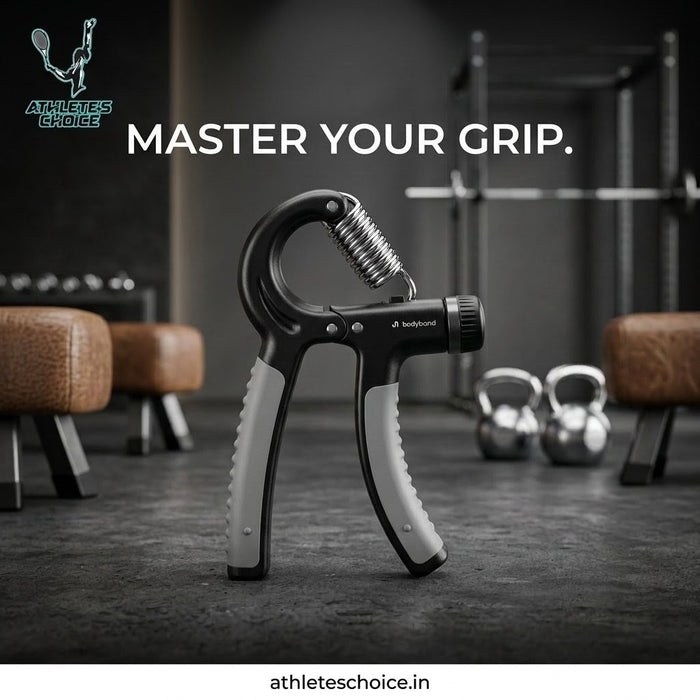
Build crushing grip strength for climbing, racket sports and lifting. Start with a lighter resistance, do a few sets of controlled reps, and give your hands rest days like any other muscle.

Shop grip gear

Source: Athlete's Choice buying guide

Gear guides Skipping rope: size and techniqueGet the length right in 10 seconds, then start with a simple interval routine.

Sizing

Stand on the middle of the rope with one foot. Beginners: the handles should reach your armpits. Experienced skippers: around the bottom of your chest. Most ropes adjust at the handle.

Technique

  • Stay on the balls of your feet with soft knees.
  • Turn the rope from your wrists, not your shoulders, keeping elbows close to your sides.
  • Jump just high enough to clear the rope, about 2–3 cm (1 in).

Where to skip

Wooden floors, rubber gym flooring or a firm mat are kinder on joints than concrete. Wear supportive trainers.

A starter routine

30 seconds skipping, 30 seconds rest, repeated 8–10 times. Add rounds or shorten the rest as it gets easier.

Shop skipping ropes

Source: Athlete's Choice buying guide

Gear guides Do you need a lifting belt?What a belt actually does, when to wear one and how to get the size right.

What it does

A belt gives your core something to brace against. You take a big breath into your belly, tighten your trunk and push out into the belt, which helps keep your torso rigid during heavy squats, deadlifts and overhead presses.

When to wear one

  • Learn to brace without a belt first.
  • Use it for your heaviest sets of big lifts, not for light work, machines or cardio.
  • Take it off between sets.

Lever or prong?

  • Lever belts lock at the same tightness every time and come off quickly.
  • Prong belts adjust easily, which helps if your weight changes or you share the belt.

Sizing

Measure around your waist where the belt will sit, roughly at your belly button. Don't go by trouser size. A 10 cm (4 in) wide belt is the common choice for strength training.

If you have high blood pressure, a hernia or are pregnant, ask your doctor before doing heavy braced lifts.

Shop lifting belts

Source: Athlete's Choice buying guide

Gear guides Resistance bands explainedWhich band does what, how to pick a resistance level and how to use bands safely.

Types

  • Mini loop bands: small latex loops for glutes, hips and warm-ups. Great for bridges and side steps.
  • Fabric hip bands: wider and grippier, so they don't roll up your legs during squats.
  • Long loop (power) bands: for assisted pull-ups, stretching and adding resistance to squats and presses.

Choosing a level

Resistance increases the further a band is stretched, and colour codes vary between brands. Start with a level that lets you do 12–15 controlled reps. A set of light, medium and heavy bands covers most exercises.

Use them safely

  • Check for nicks, tears or sticky patches before every session, and replace a damaged band.
  • Anchor long bands to something solid, such as a rack or a door anchor on the hinge side, never to furniture that can move.
  • Control the band in both directions, and keep it away from your face.
  • Store bands away from heat and direct sunlight.
Shop resistance bands

Source: Athlete's Choice buying guide

Gear guides Swim goggles that don't leakA quick fit test, strap position and how to stop fogging.

The fit test

Without using the strap, press the goggles gently into your eye sockets. If they stay put for a second or two by suction, the shape suits your face.

Strap and nose bridge

  • Wear the strap slightly above your ears on the back of your head.
  • Tighten it just enough to seal. Over-tight goggles leave marks and can give you a headache.
  • If the lenses sit too close or too far apart, adjust or swap the nose bridge.

Stop the fog

Don't touch or wipe the inside of the lenses, because it removes the anti-fog coating. Rinse in clean water after swimming and let them dry in their case away from sunlight.

Shop swimming

Source: Athlete's Choice buying guide

Gear guides How to choose a yoga matThickness, material and size explained, so you get the right balance of cushioning and stability.

Thickness

  • 3–4 mm (about 1/8 in): firm and stable. Best for balance poses, standing yoga and travel.
  • 5–6 mm (about 1/4 in): the all-rounder for yoga, stretching and home workouts.
  • 8–10 mm (about 3/8 in): extra cushioning for floor work, Pilates and sensitive knees or wrists. Softer mats are less stable for standing balance poses.

Material

  • TPE: light, closed-cell surface that doesn't soak up sweat and is easy to clean.
  • NBR foam: soft and cushioned, usually used for thicker mats.
  • PVC: durable with a sticky grip.
  • Natural rubber: excellent grip but heavier. Avoid it if you have a latex allergy.

Size

A standard mat is about 183 × 61 cm (72 × 24 in). If you're taller than about 183 cm (6 ft), look for a longer mat so your head and feet stay on it.

Care

Wipe it down after sweaty sessions with mild soap and water, let it air-dry fully, and store it rolled out of direct sunlight.

Shop yoga mats

Source: Athlete's Choice buying guide

Recovery Recovery: ice, supports and massageWhen to use an ice pack, what knee and elbow supports can and can't do, and how to use a massage ball.

Ice packs

  • For minor knocks and strains, cold can ease pain. Apply for 10–20 minutes at a time, with a cloth between the pack and your skin.
  • Never put a frozen pack directly on bare skin.
  • Get medical help for severe pain or swelling, a deformed joint, numbness, or if you can't put weight on it.

Knee and elbow supports

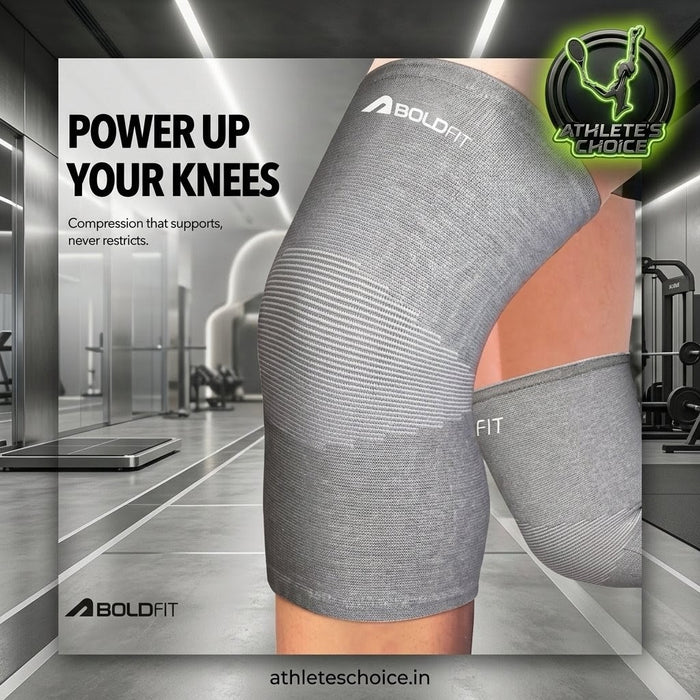
Compression sleeves and straps add warmth and support and can make training more comfortable. They don't replace treatment or rehab exercises. To size them, measure the circumference the brand asks for, usually around the joint or just above it. A tennis elbow strap sits about 2–3 finger-widths below the elbow crease.

Massage balls

Roll slowly over tight areas like glutes, calves, feet and upper back for 30–60 seconds each. Keep the pressure firm but comfortable, and avoid rolling directly on bones, joints or injuries.

The basics matter most

Sleep, enough food and protein, and rest days do more for recovery than any gadget.

Shop recovery

Source: General first-aid and recovery guidance

Nutrition Hydration, bottles and shakersSimple hydration habits for training in any climate, plus how to look after your bottle.

Habits that work

  • Drink regularly through the day, not just during training.
  • Drink more in hot or humid weather and during long sessions. Pale straw-coloured urine is a rough sign you're well hydrated.
  • For long, sweaty sessions of more than about an hour, a drink with electrolytes can help replace the salt you lose.
  • Weighing yourself before and after training shows how much fluid you lost. Aim to avoid big drops.

Choosing a bottle

  • Steel: keeps drinks colder for longer and doesn't hold flavours.
  • BPA-free plastic: light and affordable.
  • Large 2–2.5 litre bottles (about 70–85 US fl oz) make it easy to track how much you drink in a day.

Shaker care

Rinse your shaker straight after use, wash it with warm soapy water, and leave the lid off to dry. Milk-based shakes left in a closed shaker go sour fast.

Shop bottles

Source: General sports-nutrition guidance

Nutrition Protein and sports nutrition basicsHow much protein active people usually need, how to read a label, and where bars and shakes fit.

How much protein?

  • General guidance for adults is about 0.8 g of protein per kg of body weight per day.
  • People who train regularly are commonly advised 1.2–2.0 g per kg per day, spread across meals.
  • Example: a 70 kg (154 lb) person who trains often would aim for roughly 85–140 g a day.

Food first

Eggs, dairy, paneer, dal and lentils, soya, chicken and fish can cover most of your needs. Bars and shakes are a convenient top-up when you're busy or training twice a day.

Reading a label

  • Check protein per serving and the serving size.
  • Look at sugar and total calories, especially in bars.
  • Check the ingredients list for allergens such as milk, soy and nuts.

If you have kidney disease, diabetes or another medical condition, or you're pregnant, check with your doctor or a dietitian before increasing protein or using supplements.

Food and supplements are delivered within India only.

Shop nutrition

Source: ACSM and ISSN position statements on protein for athletes

Care Knocking in and caring for a cricket batOiling, knocking in and storing a new willow bat so it lasts.

1. Check the label first

Many bats arrive pre-oiled or pre-knocked, and some have an anti-scuff sheet. If so, skip any steps the maker says aren't needed.

2. Oil lightly

Rub a light coat of raw linseed oil, about a teaspoon, over the face, edges and toe. Keep it off the splice, handle and stickers. Leave the bat lying flat for 24 hours to dry. Over-oiling makes willow heavy and dead, so less is more.

3. Knock it in

Use a bat mallet or an old ball. Start gently and build up force over several sessions, paying extra attention to the edges and toe at an angle. Many makers recommend 4–6 hours in total for English willow. Kashmir willow is harder and usually needs less.

4. Play it in

Face throw-downs with older balls in the nets before using it in a match.

Storage

Keep your bat somewhere dry at room temperature. Avoid leaving it in a hot car or a damp kit bag.

Shop cricket

Source: Common bat-maker guidance. Always follow the label on your bat.

Care Racket, string and ball careSimple habits that keep tennis, badminton and squash gear playing like new.

Rackets

  • Keep rackets out of hot cars and direct sun. Heat can warp frames and kill string tension.
  • Use a racket bag or cover to protect the frame and strings.
  • Replace bumper guards and grommets when they wear through.

Strings

Strings lose tension even when you're not playing. A common rule of thumb is to restring as many times a year as you play each week. Fresh strings bring back power, control and comfort.

Grips

Change your overgrip when it feels slippery or shiny. Regular players often change it every few weeks.

Balls and shuttles

  • Pressurised tennis balls lose bounce once the can is opened, so serious players use a fresh can every session or two.
  • Store feather shuttles in their tube, away from heat, and don't leave them in a car.

Need a size? See our size and grip guide.

Shop rackets and strings

Source: Athlete's Choice guide

General information for healthy adults, not medical advice. If you have a health condition or an injury, or you're pregnant, check with a doctor or physiotherapist before starting something new.

Kit up

Fitness essentials.

Shop fitness

BOLDFIT Jump Rope (Orange)

BOLDFIT

BOLDFIT Jump Rope (Orange)

Rs. 99.00

BOLDFIT Jump Rope (Black)

BOLDFIT

BOLDFIT Jump Rope (Black)

Rs. 99.00

BOLDFIT Jump Rope (Red)

BOLDFIT

BOLDFIT Jump Rope (Red)

Rs. 99.00

Boldfit Gel Ice Pack - Athlete’s Choice

BOLDFIT

BOLDFIT Gel Ice Pack

Rs. 129.00

NIVIA Frisbee (Blue - Small)

NIVIA

NIVIA Frisbee (Blue - Small)

Rs. 149.99

NIVIA Frisbee (Blue - Small)

NIVIA

NIVIA Frisbee (Blue - Large)

Rs. 149.99

COSCO Frisbee (Orange)

COSCO

COSCO Frisbee (Orange)

Rs. 159.00

Boldfit Lacrosse Massage Ball - Athlete’s Choice

BOLDFIT

BOLDFIT Lacrosse Massage Ball

Rs. 209.00

BODYBAND Hand Grip Strengthener (Black / Grey)

BODYBAND

BODYBAND Hand Grip Strengthener (Black / Grey)

Rs. 249.00

Need a hand?

Questions about training gear?

Tell us what you're training for and we'll point you to the right kit.